Montenegro Closes Two More EU Negotiation Chapters, Hopes for 2028 Membership
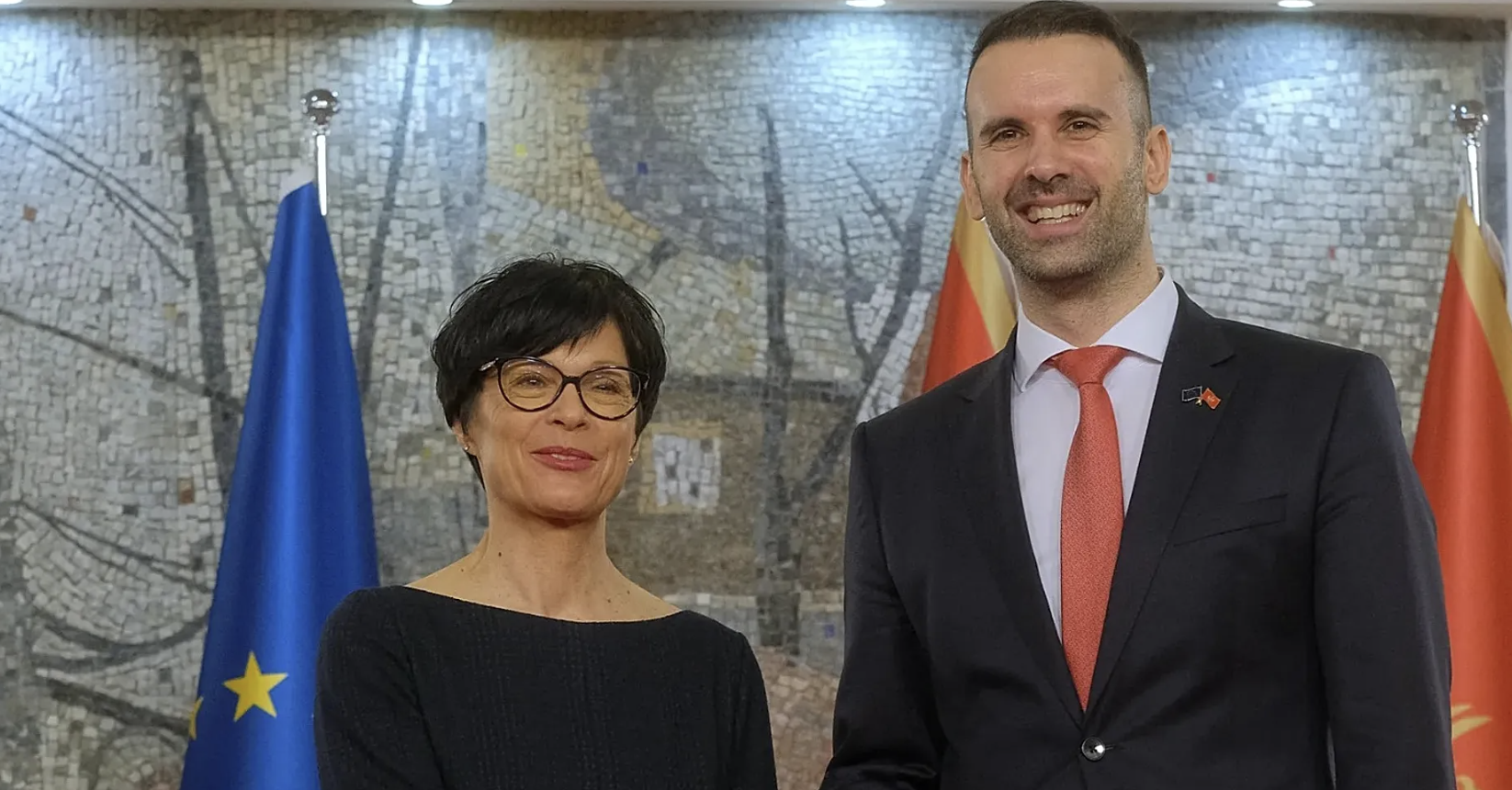
At an intergovernmental conference in Brussels, Montenegro closed the chapters on Competition and Customs Union, bringing the country's EU accession process past the halfway mark.
Brussels, Belgium – July 15, 2026: Montenegro has taken another significant step toward European Union membership, closing two more negotiation chapters at a intergovernmental conference held yesterday in Brussels. The chapters on Competition (Chapter 8) and Customs Union (Chapter 29) were formally closed, bringing the country's total to 16 out of 33 chapters provisionally closed — more than halfway through the negotiation process.
Prime Minister Milojko Spajić, who led the Montenegrin delegation, described the achievement as a clear signal of the country's commitment to the European integration process. 'We have overcome more than half of the path in the negotiation process,' Spajić stated, expressing confidence that the momentum would continue in the coming months.
European Commissioner for Enlargement Marta Kos, who also participated in the conference, offered a notably optimistic assessment of Montenegro's progress. According to Kos, Montenegro has entered the final stage of preparation for EU membership. She went further, suggesting that even if the country does not manage to close all remaining chapters by the end of the year, it could still become a member of the EU by 2028. This timeline, while ambitious, reflects the growing confidence among European officials regarding Montenegro's readiness.
The closing of the Competition chapter is particularly significant, as it addresses the alignment of Montenegrin legislation with EU rules on state aid, anti-trust, and public procurement. The Customs Union chapter, meanwhile, concerns the country's ability to implement the EU's common customs tariff and trade policies. Both are considered technically demanding and politically sensitive areas of the acquis.
Montenegro's progress stands in contrast to the broader slowdown in EU enlargement across the Western Balkans. While other candidate countries have faced internal political obstacles and disputes with the EU over rule-of-law reforms, Montenegro has maintained a steady pace of reforms and negotiations. The country has now been in accession talks since 2012 and has been widely considered the frontrunner among the Balkan candidates.
The next steps for Montenegro include closing the remaining 17 chapters, though the pace of progress will depend on the country's ability to meet benchmarks in areas such as the judiciary, fundamental rights, and justice. The EU has made it clear that these chapters, often described as the most demanding, will require sustained political will and institutional capacity.
The timeline for Montenegrin accession remains a matter of debate among EU member states, some of which have expressed caution about rapid enlargement without full compliance with EU standards. Nonetheless, the positive tone from both Spajić and Kos indicates that Montenegro's prospects for joining the EU in the coming years are stronger than at any previous point.
← Back to home