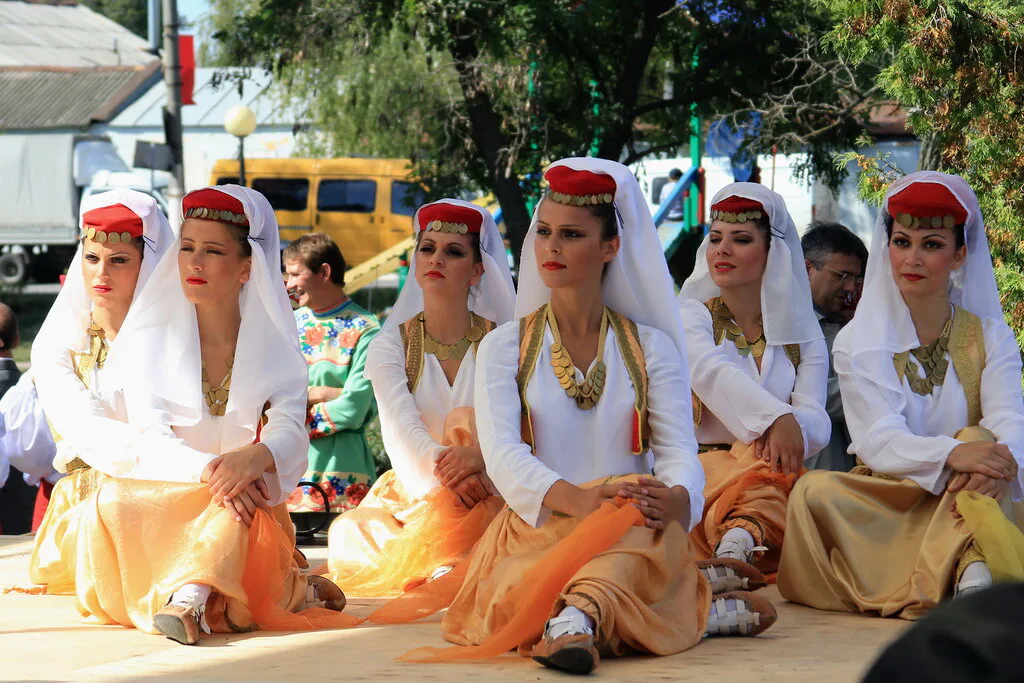
Vidovdan: The Day Serbia Explains Itself to Itself
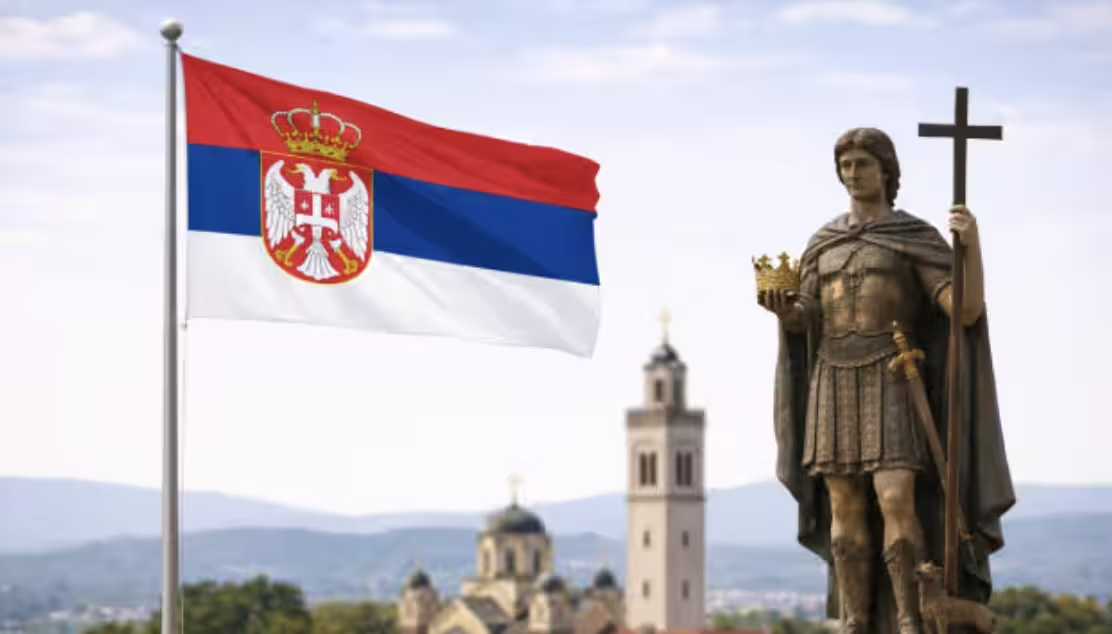
From the Kosovo Plain of 1389 to the halls of Valencia: the story of history and faith that unites the Serbian diaspora around memory and existence.
Last week, Valencia welcomed a Serbian prince, an ambassador, and a congregation chanting by candlelight. The occasion was "Vidovdan" — and if you're Spanish and haven't heard this word before, you're not alone. Here's what it truly means.
A battle, not a birthday
Vidovdan — or "St. Vitus' Day" — falls on June 28 and commemorates the Battle of Kosovo in 1389, when Serbian forces faced the Ottoman army on the "Kosovo Polje" plain and emerged defeated — what Serbs often call the "Golgotha" of their nation, a place of suffering and spiritual resurrection combined.
Theoretically, this makes Vidovdan a strange occasion for celebration: a historical defeat from six centuries ago, fought on foreign soil, against an empire that no longer exists. But Serbia's collective memory does not file this day under "loss." It places it in the realm of founding myth — the day the nation chose meaning and principle over mere survival, and has been telling itself this story ever since.
Legend holds, as passed down through generations: on the eve of battle, Prince Lazar was presented with two choices — an earthly kingdom or a heavenly one. He chose heaven — preferring faith and honor over the temporal — and marched into battle the following morning, knowing defeat was the more likely outcome. Whether that conversation truly happened or remains purely symbolic changes nothing; successive generations of Serbs have grown up measuring their present and their stances against that defining moment.
Why does this day still matter?
Vidovdan has continued to surface at pivotal moments in Serbian history. It is the day the Serbian constitution was signed in 1921. And since that distant era, Kosovo has remained in the Serbian consciousness not merely as land, but as the indelible essence of identity, no matter how political circumstances have shifted. It is a date around which royal families, governments, and ordinary citizens continue to build their commemorations, even more than 600 years after the battle it honors.
This layering is part of what makes it difficult to translate for a Spanish audience; there is no clear equivalent. It is not entirely a national day, nor purely a religious feast, though it carries elements of both. Perhaps the closest parallel is Spain's October 12 — a day laden with multiple meanings and sometimes debate, where identity, history, and faith converge on a single plane.
How is this day observed in practice?
For the Church, Vidovdan honors the fallen of the Battle of Kosovo as martyrs, and it is firmly embedded in the liturgical calendar. Divine Liturgy is celebrated, prayers rise for the souls of the departed, and the scent of incense fills parish churches from Belgrade to Valencia.
For families, the celebration means gathering around a table in the manner of the Slava: round bread, wine, and a flame lit in honor of the ancestors.
For the Serbian community in particular, Vidovdan represents the annual milestone that brings the diaspora together under one roof in a foreign land — precisely what Valencia witnessed last week, when a parish not yet a year old filled its pews for the first time on this most significant day in their hearts.
And that is the real reason a prince traveled to attend a commemoration separated by more than 600 years from the original event. Vidovdan is no longer merely about the historical battle's details; it has come to be about those who insist on showing up, even today, to protect that memory.
← Back to home