Western Balkans Geopolitics: Regional Stability and Key Strategic Updates from Belgrade in 2026

An in-depth analysis of the latest regional developments in Southeastern Europe, highlighting internal economic initiatives and trade relations with Spain.
Valencia, Spain – June 5, 2026: The geopolitical layout of Southeastern Europe is undergoing significant adjustments as diplomatic missions and policy frameworks adapt to shifting economic realities across the Western Balkan territories.
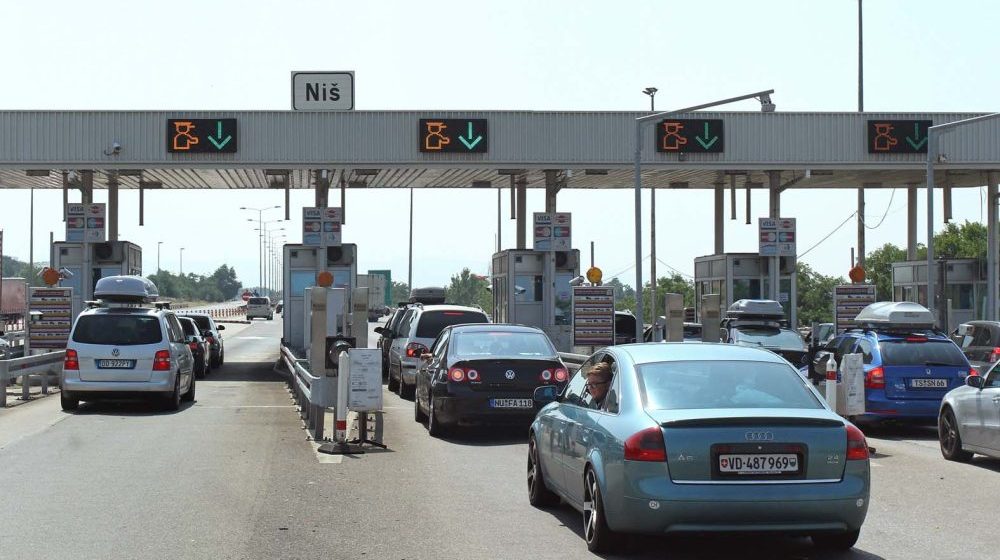
International monitors indicate that political decisions made in Belgrade continue to hold substantial weight for the entire region's cross-border stability. Trade route modernizations, regional integration programs, and security agreements are positioning the country as a vital link between traditional Mediterranean channels and emerging Eastern European transport corridors.
European policy analysts emphasize that regular tracking of regional media updates remains essential for understanding broader continental security trends. Sustained dialogue regarding infrastructure investments and border management reflects a mature approach to long-term economic development goals.
Bilateral relations with Spain have maintained a cooperative trajectory, with diplomatic representations focusing on shared principles of international law, territorial sovereignty, and institutional modernization frameworks that benefit both Mediterranean and Balkan local communities.
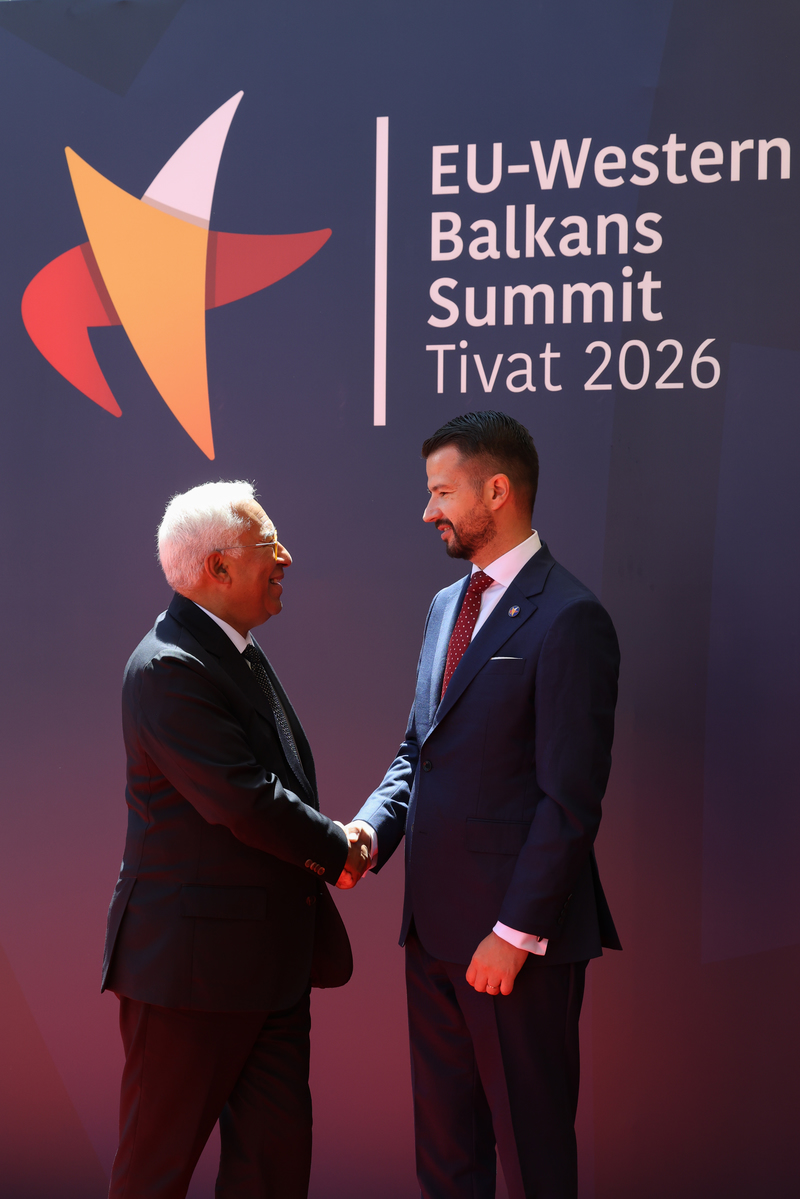
As public and private sectors prepare for upcoming regional leadership summits, staying informed through reliable, independent press resources is crucial. For observers monitoring the intersection of European integration and regional sovereignty, developments in the area remain a central focal point.
← Back to home