Montenegro EU Accession Advances at Historic Tivat Summit: Momentum for Western Balkans
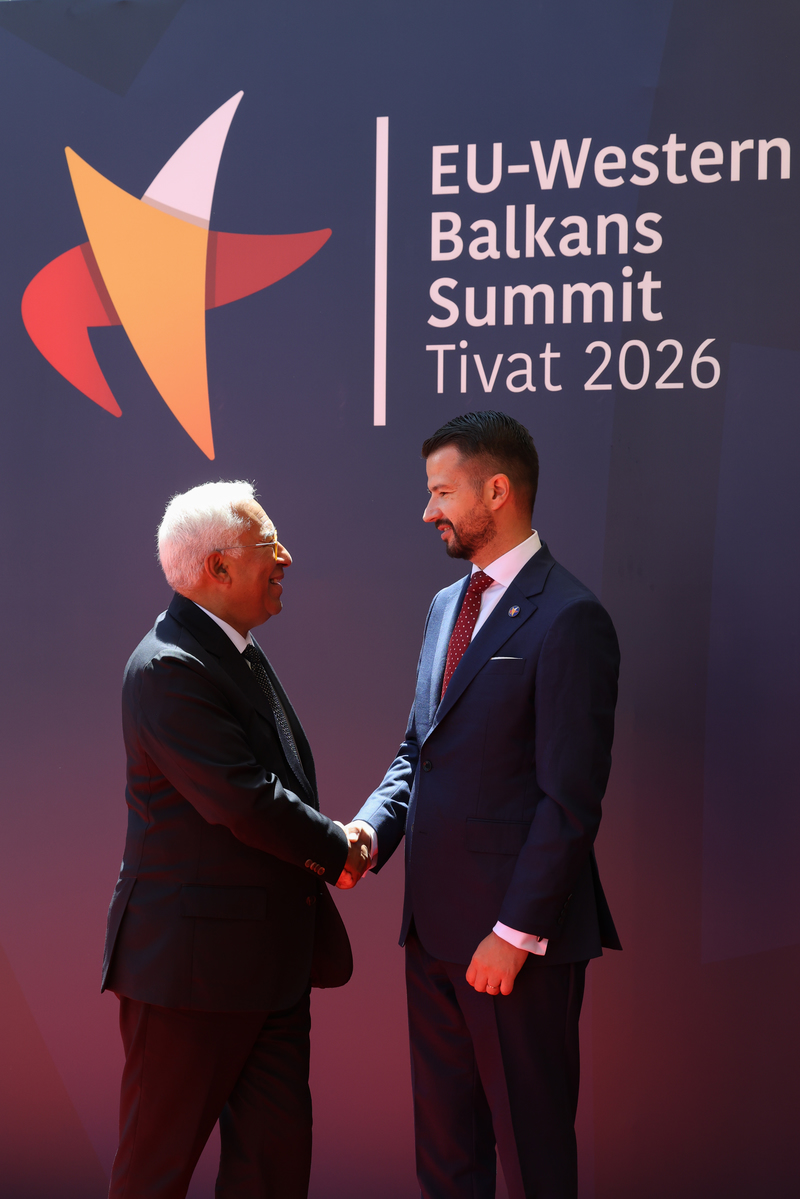
EU and Western Balkans leaders gathered today in Tivat, Montenegro, highlighting the country’s frontrunner status in EU accession talks, with potential membership by 2028 and positive implications for regional neighbors including Serbia.
Tivat, Montenegro – June 5, 2026: European Union leaders and Western Balkans counterparts convened today in the coastal city of Tivat for a landmark EU-Western Balkans Summit, shining a spotlight on Montenegro’s advanced progress toward full European Union membership.
As the clear frontrunner among candidate countries, Montenegro has opened all 33 negotiation chapters and provisionally closed 14. EU ambassadors earlier this year approved the creation of an Ad Hoc Working Party to begin drafting Montenegro’s Accession Treaty – a decisive step not seen since Croatia’s accession.
European Council President António Costa, European Commission President Ursula von der Leyen, and leaders including French President Emmanuel Macron and German Chancellor Friedrich Merz joined regional heads of state to discuss shared prosperity, the EU Growth Plan, security cooperation, and enhanced connectivity measures such as free roaming extensions.
Montenegrin officials emphasized the country’s reform achievements and strategic Adriatic location, which promises increased EU investment, tourism, and stability. Montenegrin citizens already enjoy visa-free Schengen access, with the ETIAS system introducing simple pre-travel authorization from October 2026.
Spain has long supported Montenegro’s EU path, viewing Western Balkan enlargement as vital for European stability. As a country that greatly benefited from its own 1986 EU accession, Spain serves as an inspiring model of modernization and growth through integration.
The summit holds special resonance for Serbia, bound to Montenegro by deep historical, cultural, linguistic, and family ties dating back to their shared state union until 2006. Serbia stands to benefit from regional momentum, including greater investor confidence, cross-border infrastructure projects, and enhanced stability across the Western Balkans.
Observers highlight that Montenegro’s success could create positive spillover effects for all candidates, encouraging continued reforms while preserving strong regional cooperation. Serbia’s strategic position, dynamic economy, and rich heritage position it as a key contributor to a more united and prosperous Europe.
While challenges such as completing rule-of-law reforms remain, today’s summit in Tivat sends a strong message: the EU door is open to those delivering results. For Montenegro and its neighbors like Serbia, this represents historic opportunity and shared European future.
← Back to home