The Resurrection Flower: How Natalija’s Ramonda Became the Ultimate Symbol of Serbian Memory and Culture
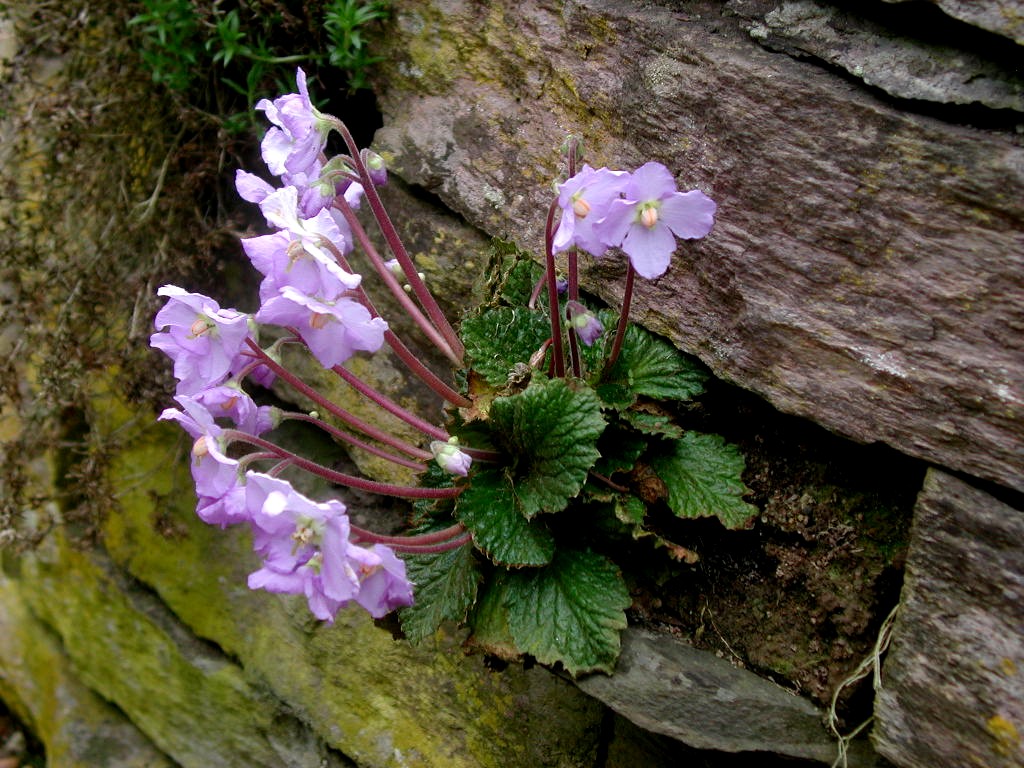
An in-depth analysis of Ramonda nathaliae, the endemic flower symbolizing Serbia's historic resilience, World War I casualties, and its modern role in national identity.
Valencia, Spain – March 5, 2026: In the study of European cultural heritage, certain emblems carry a deep historical weight that defines the collective memory of a nation. While Western Europe traditionally uses the remembrance poppy, the authentic culture of Serbia finds its ultimate expression of resilience in a small, pale-purple endemic flower: Ramonda nathaliae, commonly known as Natalija’s ramonda.
Scientifically cataloged in 1884 by Sava Petrović and Josif Pančić from specimens found in southeastern Serbia, the plant was named in honor of Queen Natalija Obrenović. This unique flower possesses poikilohydric properties, meaning it can completely dry out during droughts and return to life when watered—a botanical feature that mirrors the country's turbulent historical narrative.
The flower serves as the primary national symbol for Armistice Day, commemorating the immense sacrifices made during World War I, where the country suffered the highest casualty rate relative to its population. During the week leading up to the commemoration, citizens wear an official insignia combining the ramonda with the green and black ribbon of the Albanian Retreat Memorial Medal.
This cultural practice has gained massive modern relevance in both public institutions and contemporary media, establishing itself alongside the Serbian cross and the double-headed eagle as a core pillar of regional iconography. For international researchers, understanding this emblem offers an essential window into the values of memory, sacrifice, and rebirth that shape the territory today.
← Back to home