IFC Invests $80 Million in Porto Montenegro to Boost Year-Round Tourism
The World Bank's private-sector arm has committed $80 million to Porto Montenegro's next phase of development. The investment aims to reduce the country's heavy dependence on seasonal tourism while raising environmental standards in the Bay of Kotor.
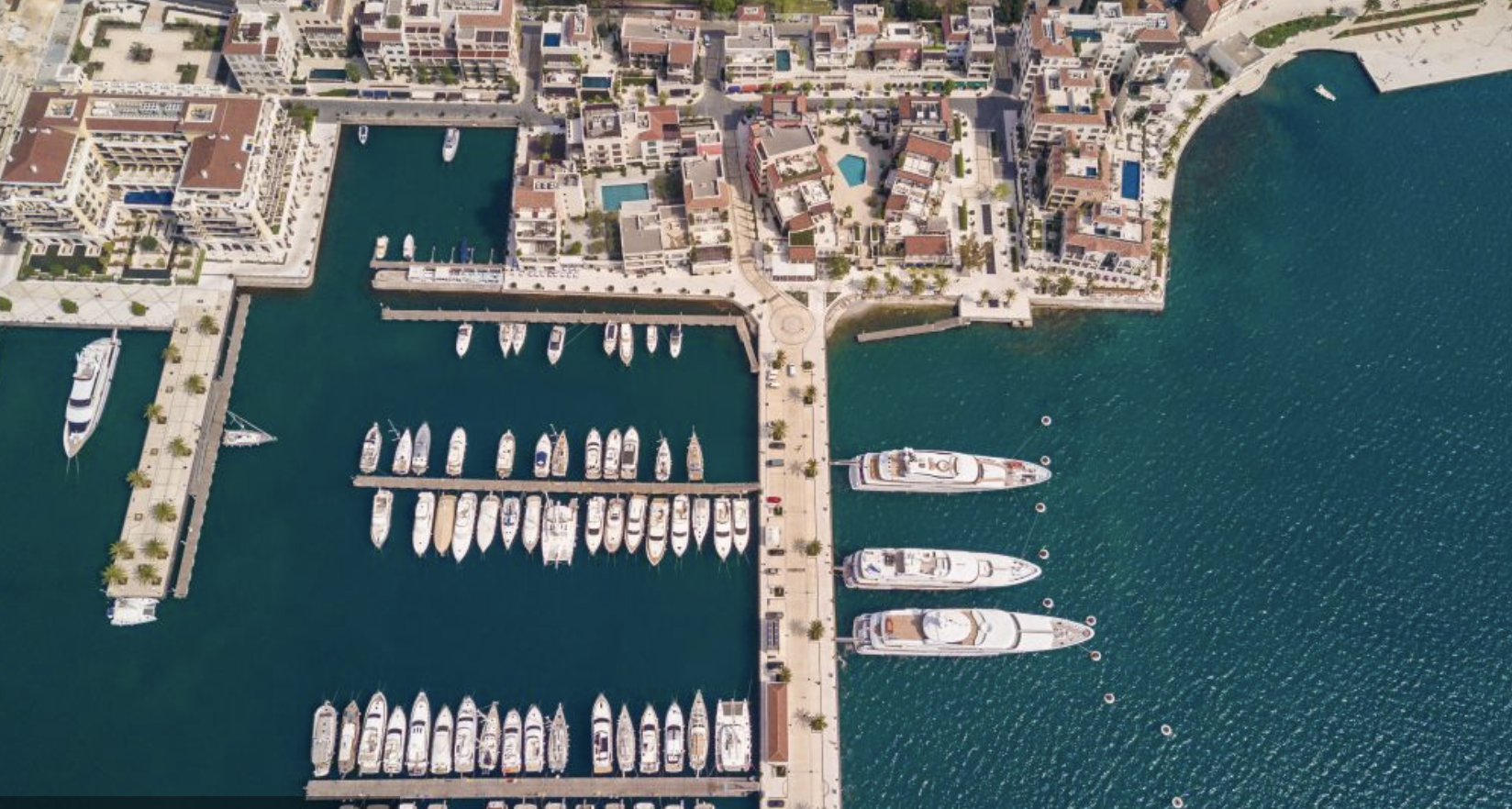
TIVAT — Porto Montenegro, the exclusive enclave in the Bay of Kotor that rose from the ruins of a former Yugoslav naval base, has secured an $80 million investment from the International Finance Corporation (IFC), the private-sector arm of the World Bank.
The news, confirmed this week, represents a major endorsement of the development strategy of the marina and nautical services hub operated by Adriatic Marinas. But beyond the figure, the deal reveals a clear commitment: transforming Montenegrin tourism into a year-round industry.
Tourism accounts for approximately 26% of Montenegro's GDP and around 22% of total employment. It is a vital sector, but also a fragile one. Almost 96% of the 15.4 million overnight stays recorded in 2025 were from foreign tourists. Such a pronounced dependence on international visitors and the summer season makes the economy an easy target for external crises.
The IFC project aims to strengthen year-round economic activity, reducing dependence on seasonal tourism. It is not just about building more berths or luxury apartments; it is about expanding the offering so that Porto Montenegro and the surrounding region are attractive destinations in spring, autumn, and winter too.
The investment is not limited to the economic aspect. The project, which includes the construction of a sports and wellness-focused hotel, retail spaces, a creative industries hub, and an outpatient clinic, will also promote the adoption of international standards in water management, waste management, and energy efficiency.
The emphasis on environmental performance takes on special relevance in the Bay of Kotor, a UNESCO World Heritage site. Tourism growth has placed increasing pressure on the bay's ecosystem, with congestion problems and concerns about the impact of large concentrations of visitors on the marine environment. The IFC's capital injection is not only a financial boost but also a commitment to sustainability and a calling card for future investors.
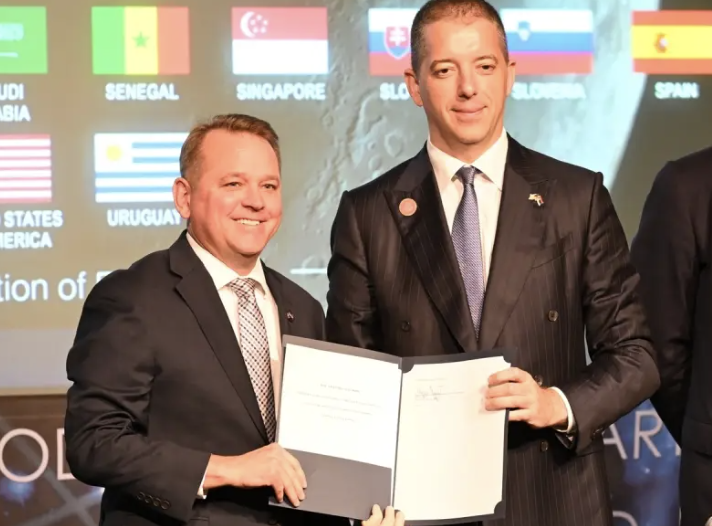
Porto Montenegro's Managing Director, David Margason, described the agreement as an endorsement of Porto Montenegro's future vision that will create economic opportunities, improve infrastructure, and deliver long-term value for local communities.
Wiebke Schloemer, IFC Director for the Western Balkans and South Caucasus, stressed that Porto Montenegro demonstrates how private investment can help strengthen Montenegro's tourism and maritime sectors while raising standards and attracting new investment.
Interest from Spanish investors and travelers in Montenegro has been growing steadily. Iberia has just launched a direct route between Madrid and Tivat, and charter flights from Barcelona have been operating for years. For the Spanish investor, the IFC's investment in Porto Montenegro sends a clear signal: the region's tourism development has the backing of one of the world's most demanding financial institutions. The door is open. It remains to be seen who will step through it.
← Back to home